 10
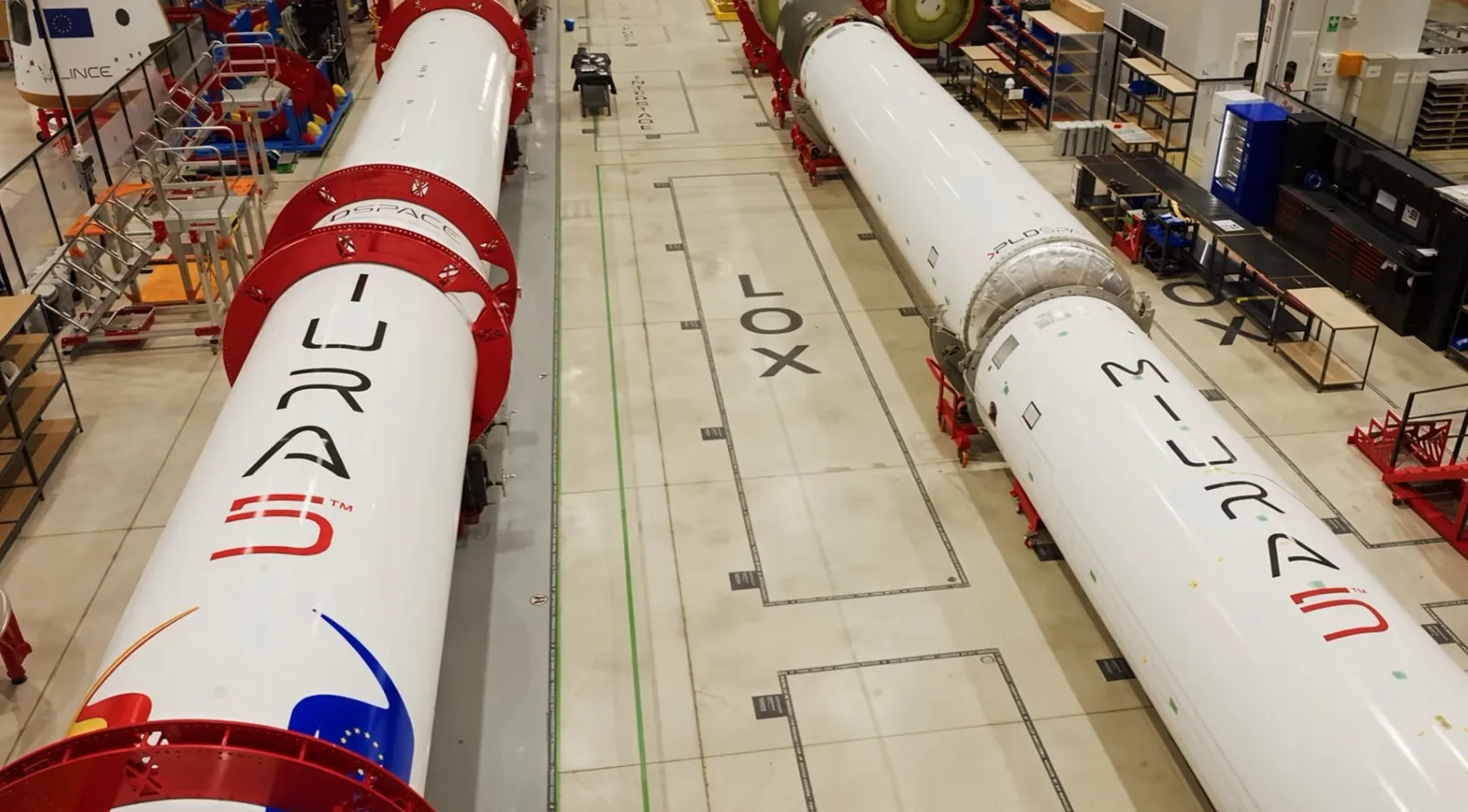
PLD Space has entered a new phase ahead of the first demonstration flight of its Miura 5 orbital launcher. The company is beginning system-level test campaigns on a fully integrated second stage while completing subsystem validation, manufacturing the first three vehicles, and expanding its industrial capabilities.
An in-depth update posted on Monday also noted that the Spanish company now targets a debut flight in the first half of 2027 from the Guiana Space Centre (CSG) in Kourou, French Guiana.
Miura 5 is a two-stage, small-lift vehicle fueled by kerosene and liquid oxygen. It stands about 35.7 metres tall with a 2-metre diameter.
It uses five TEPREL-C engines on the first stage and a single vacuum-optimized TEPREL-C engine on the second. The vehicle is designed for payloads of up to roughly one tonne to equatorial low Earth orbit or 540 kilograms to sun-synchronous orbit, with partial reusability planned for later versions.
PLD Space previously flew the suborbital Miura 1 demonstrator. It has emphasized a vertically integrated approach that keeps manufacturing, testing, and launch operations under one organization.
The three vehicles consist of two qualification units and the first flight article. The qualification units support different system-level campaigns while the flight vehicle continues through integration.
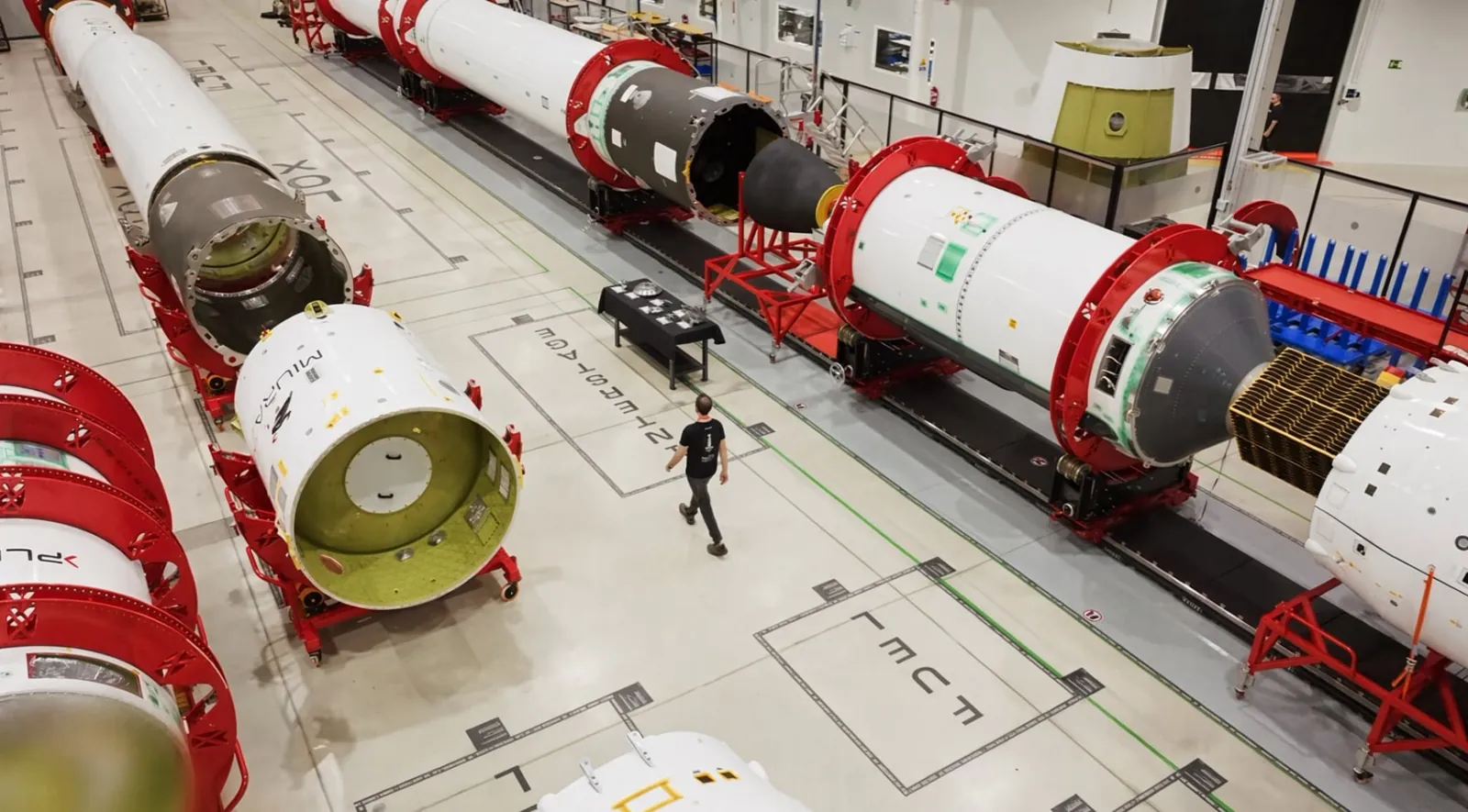 />Parallel production allows results and lessons from qualification to be applied directly to flight hardware. This reduces variability and establishes more repeatable manufacturing and integration processes. It also helps decouple production from individual test, transport, or launch campaigns.
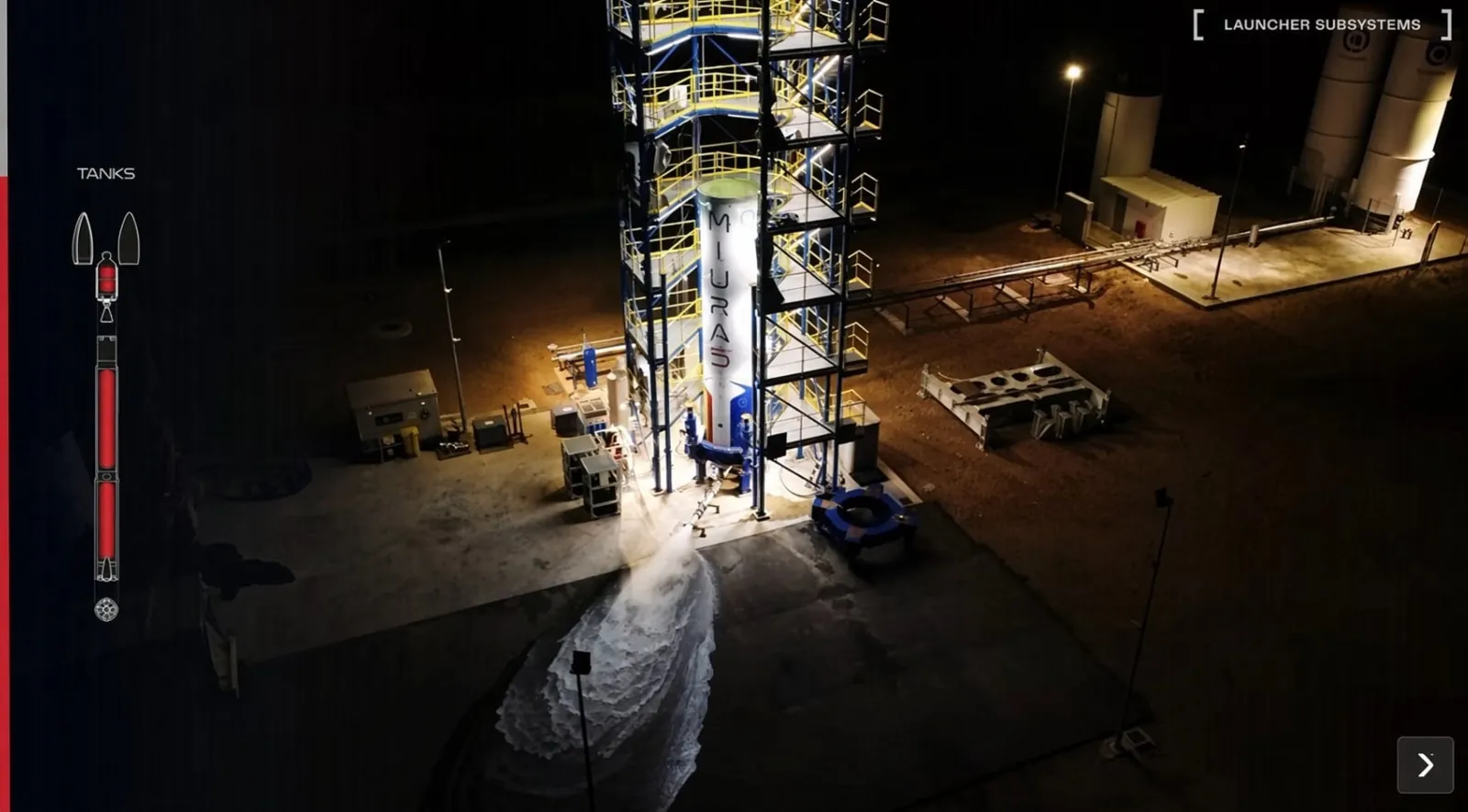
A key milestone is the full integration of the second stage. This brings together the structures, avionics, feed system, control systems, and propulsion in a single configuration.
Installed vertically at the company’s test facilities in Teruel, the stage is entering a qualification campaign. This includes a Wet Dress Rehearsal and a static hot-fire test. These will verify subsystem interactions under representative conditions and reduce uncertainty before flight.
 />In parallel, PLD Space has completed stage-separation tests in Teruel. These confirmed the interfaces, commands, and the timing sequence for controlled separation of the first and second stages.
The company has also manufactured first-flight hardware. This includes the liquid oxygen tanks for both stages and most of the electronic boards for the flight vehicle, along with spare units.
Avionics testing is advancing through increasingly integrated configurations to verify interactions with other launcher components.
Test campaigns on both fairing qualification models are complete. Data and lessons learned have been incorporated into the flight model.
The reference trajectory for the first flight has been consolidated, refining mission parameters and the launcher’s expected behaviour throughout its flight phases.
The first flight-configuration TEPREL-C and TEPREL-C Vac engines have been manufactured and are beginning their test campaigns. To date, the company has manufactured and integrated seven complete engines.
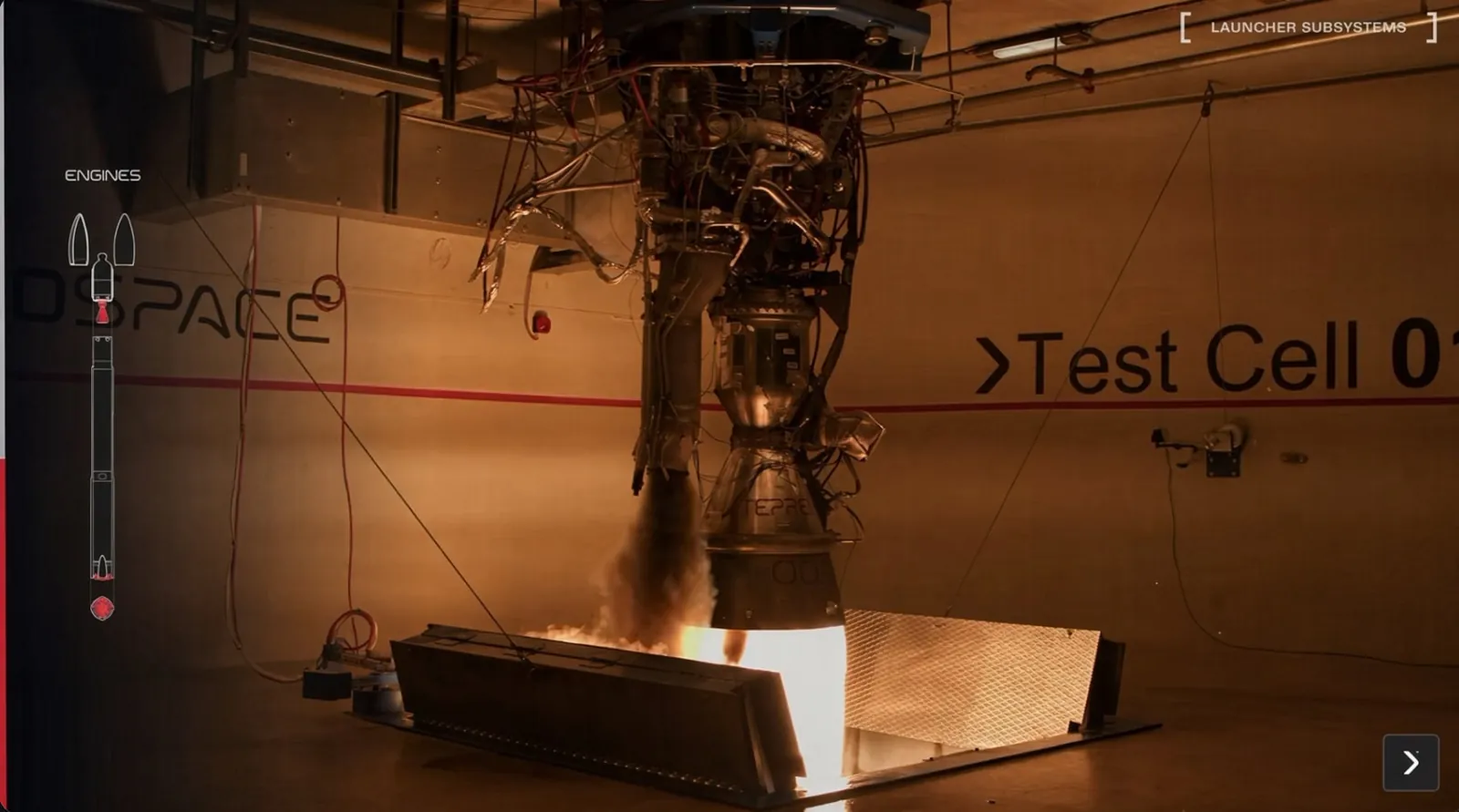 />These efforts are supported by the manufacture and testing of individual subsystems, including 35 combustion chambers, 40 gas generators, and 15 turbopumps. The campaigns aim to validate engine performance as well as repeatable manufacturing, integration, testing, and acceptance processes.
Thirteen complete tanks have been produced across qualification and flight units. This includes the liquid oxygen tanks for both stages of the first flight vehicle.
Flight avionics sets are available for four complete rockets. The subsystems have been tested in increasingly integrated configurations.
For launch operations, validation is progressing on the strongback that raises the vehicle vertical on the pad. Work is also advancing on the hold-down mechanisms that secure it until liftoff, and the umbilical systems that provide electrical and fluid interfaces.
Joint testing of these elements is intended to refine operational sequences ahead of their deployment at Kourou and support a more efficient, repeatable launch model.
“Flight readiness requires every element of the system to be continuously integrated, tested and refined. Having manufactured three vehicles in parallel allows us to accelerate this learning process and transfer the results of qualification campaigns to the first flight vehicle,” said Raúl Torres, CEO and co-founder of PLD Space.
 />At the same time, we are building the industrial and operational capabilities needed for Miura 5 to evolve into a reliable, scalable launch system.”
Infrastructure expansion is advancing in parallel and supports the company’s vertical integration model.
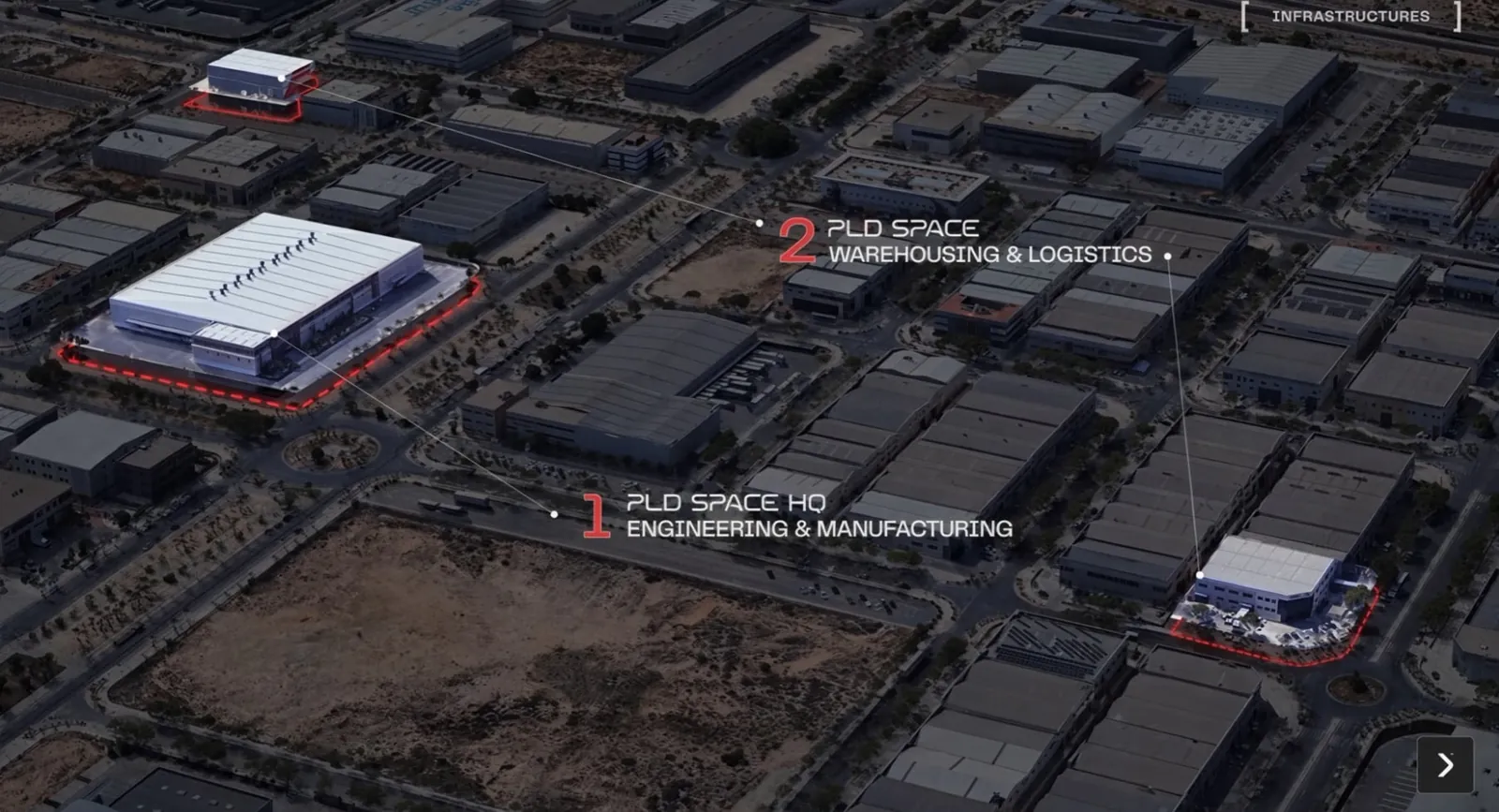
In Elche, PLD Space has 17,000 square metres of manufacturing facilities sized for programme growth and its medium-term industrial requirements.
In Teruel, it operates ten in-house test benches. This includes a new facility measuring 10.2 metres in height and equipped with an eight-metre-deep flame duct for qualification and acceptance testing of complete second stages.
At the CSG in Kourou, construction work and launch-site preparations continue. Around 60 containers of infrastructure and ground equipment have been received and are progressing through integration.
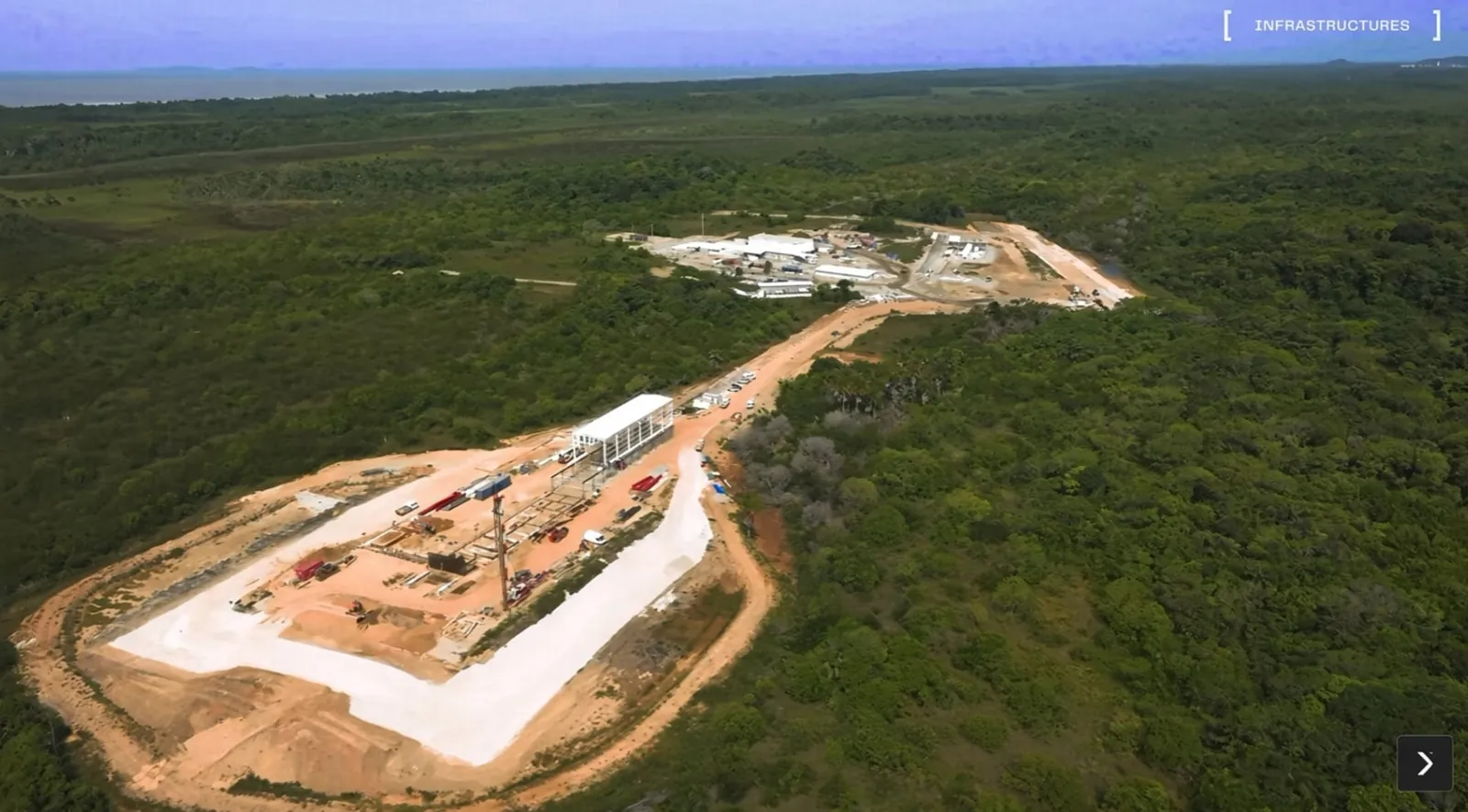 />The company is also working closely with the French space agency (CNES) to align safety procedures for Miura 5’s ground and flight operations from Europe’s historic spaceport.
The programme is supported by a domestic supply chain in which PLD Space has invested €42.7 million. It is working with 493 suppliers and involves more than 7,500 subcontracted components and over 1,000 jobs linked to its activities.
Selection for the European Launcher Challenge strengthens its position as a partner in meeting Europe’s space needs. In addition, its €288 million Series C funding round supports the industrialisation of Miura 5 and the expansion of its manufacturing, testing and launch capabilities.
With its first three vehicles manufactured and progress across its systems and infrastructure, PLD Space continues to advance Miura 5 toward flight readiness.
Featured Image: Vehicle preparations – via PLD Space)
Miura 5PLD Space 0 FacebookTwitterPinterestEmail previous article Falcon 9 launches Bandwagon-5 rideshare mission from Florida next article Japanese MMX mission launches to study Martian moons />
 />