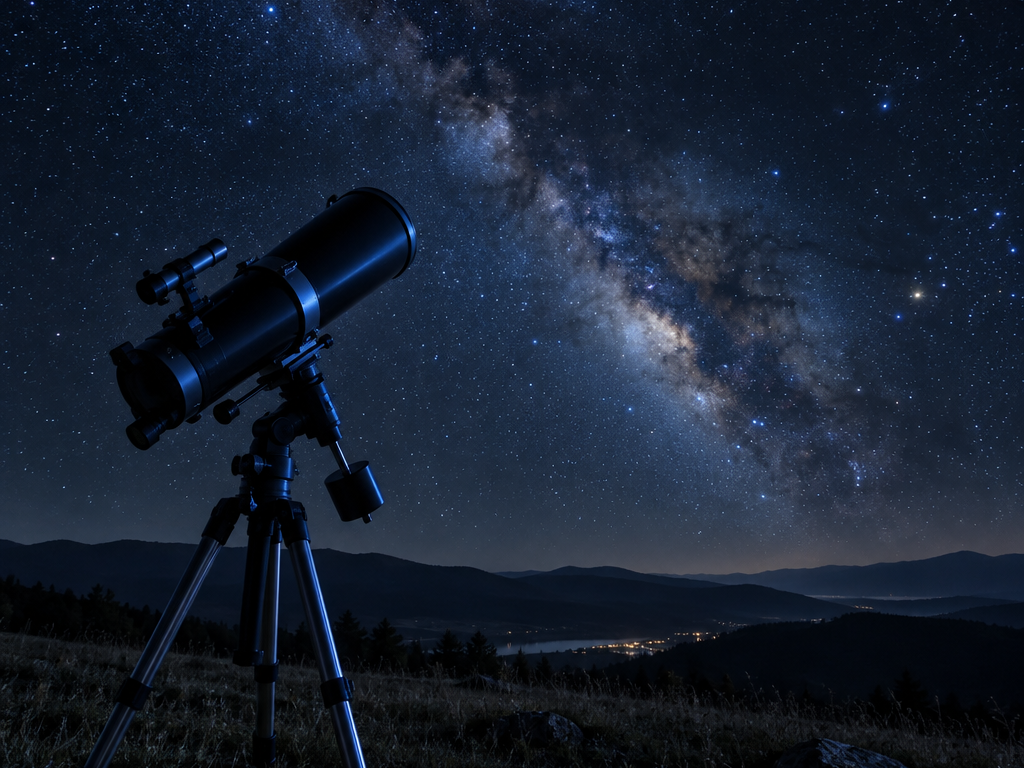
What You'll Need
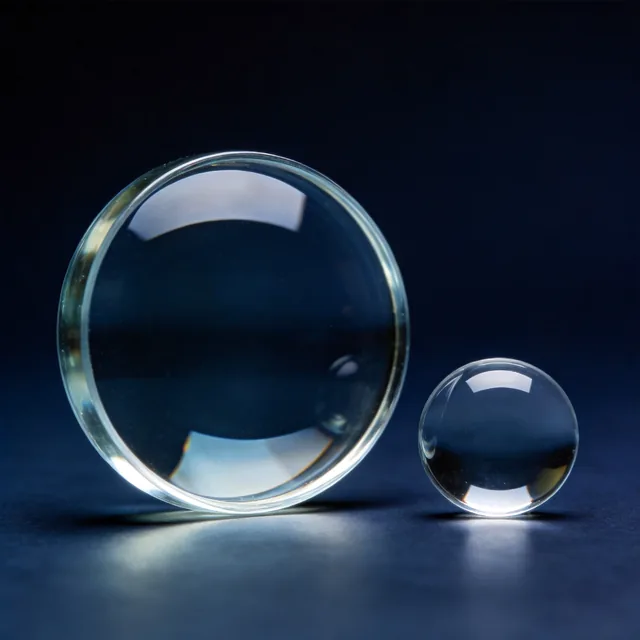
Two lensesTwo convex lenses: a large, long-focal-length objective lens (focal length about 300–500 mm) and a small, short-focal-length eyepiece lens (focal length about 20–50 mm) 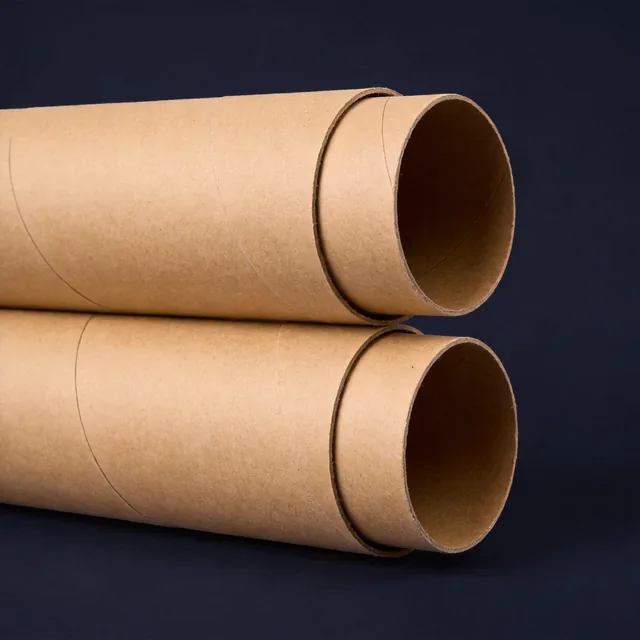
Cardboard tubesTwo cardboard tubes, one of which slides snugly inside the other (or one mailing tube plus a smaller inner tube) 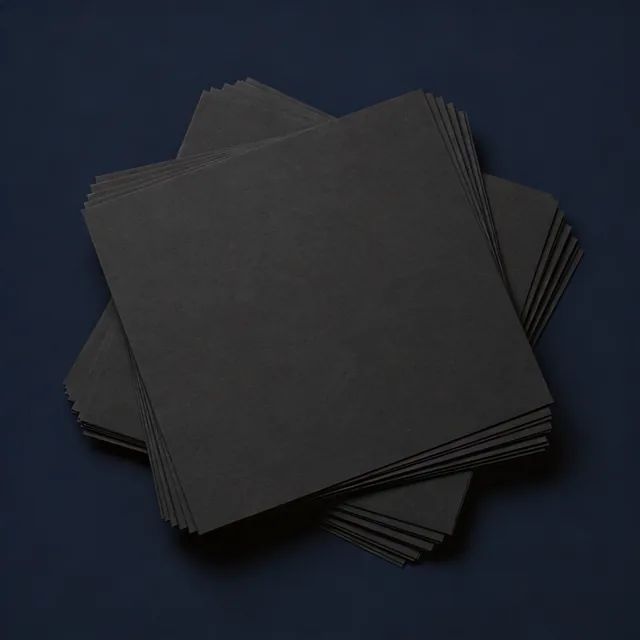
Black paperBlack paper or matte black tape to line the inside of the tubes and block stray light 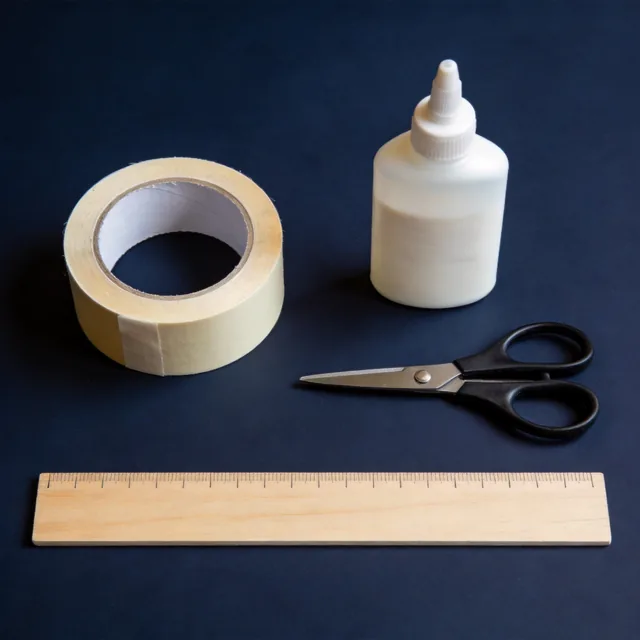
Tape & rulerTape, glue, and scissors; a ruler for measuring focal length 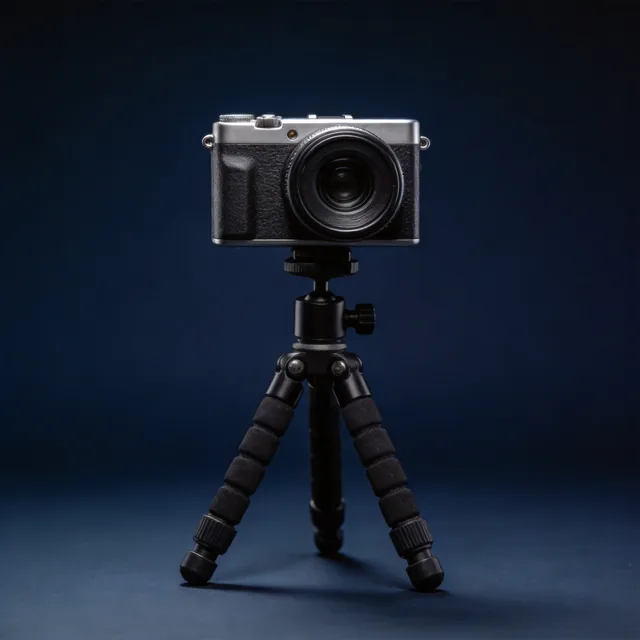
TripodA steady support such as a small tripod, a clamp, or a stack of books (a wobbly telescope is hard to use) 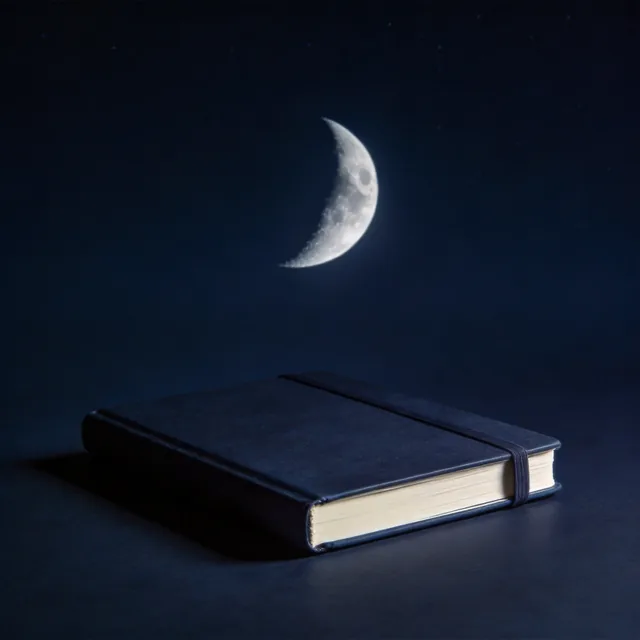
Moon & notebookA bright distant object for daytime tests, and the Moon for night observing; a notebook for an observing log
Steps
- Measure focal length: hold each lens near a window and focus a distant light onto a sheet of paper; the lens-to-paper distance where the image is sharpest is its focal length. Write both numbers down.
- Build the objective cell: mount the large objective lens squarely at the front end of the outer tube, taped around its rim so it cannot fall out.
- Build the eyepiece cell: mount the small eyepiece lens at the end of the inner tube the same way.
- Blacken the inside: line both tubes with black paper or matte tape to absorb stray light and sharpen contrast.
- Assemble and focus: slide the inner tube in and out of the outer tube until a distant daytime object comes into sharp focus.
- First light: point the finished telescope at the Moon, not too fast — sweep slowly until the field stops moving, then fine-tune the focus.
- Start an observing log: sketch two or three craters you can see, note the date and time, and record which eyepiece gave the best view.
The Science Behind It
A simple refracting telescope uses two convex lenses. The objective lens gathers light and forms a small, inverted, real image of a distant object at its focal plane; the eyepiece then works like a magnifying glass on that image for your eye. Magnification equals the objective focal length divided by the eyepiece focal length — a 400 mm objective with a 25 mm eyepiece gives 16x. The image is upside down, which is normal for astronomical telescopes; terrestrial spotting scopes add extra lenses or prisms to flip it.
More important than magnification is aperture — the diameter of the objective. Light-gathering power grows with the area of the lens, so a bigger aperture shows fainter objects and finer detail. This is the same optical principle behind the telescope Galileo aimed at the Moon and Jupiter in 1609–1610; his discovery of four moons circling Jupiter proved that not everything orbits Earth. Modern research telescopes are mostly reflectors that use mirrors instead of lenses: the Hubble Space Telescope has a 2.4-meter mirror, and the James Webb Space Telescope observes infrared light with a 6.5-meter segmented mirror from a point 1.5 million kilometers from Earth, chosen because it stays cold and dark. Back on the ground, the atmosphere itself blurs images — astronomers call this "seeing" — which is why the Moon looks steadiest on calm nights.
Extend It
- Swap in different eyepieces, calculate the magnification each time, and record which works best on the Moon.
- Observe Jupiter over two weeks and sketch the changing positions of its four largest moons — the experiment Galileo did in 1610.
- Research why a larger objective collects more light, and what "aperture" means for seeing faint objects.
- Investigate how erecting eyepieces or prisms flip the image for daytime use.
- Keep a month of observing entries, like a scientist's field journal, including sky conditions.
Safety Notes
Never look at or near the Sun with your telescope or binoculars — sunlight focused by a lens can permanently damage your eyes in seconds, even before you feel pain. Do not attempt solar viewing with a homemade telescope at all; certified solar filters (standard ISO 12312-2) must be mounted in front of the objective and used with adult supervision. Handle glass lenses carefully: chipped edges can cut, and scratches ruin the view. Use scissors and craft knives only with adult help, and never use your telescope to peer into neighbors' windows.