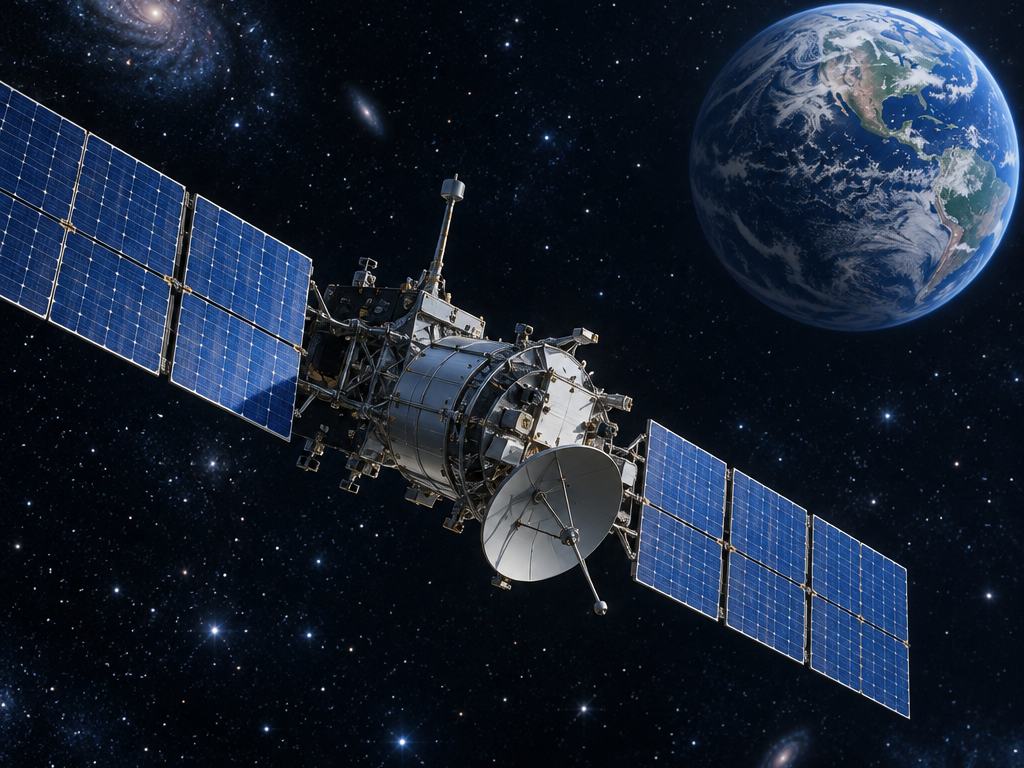
What You'll Need
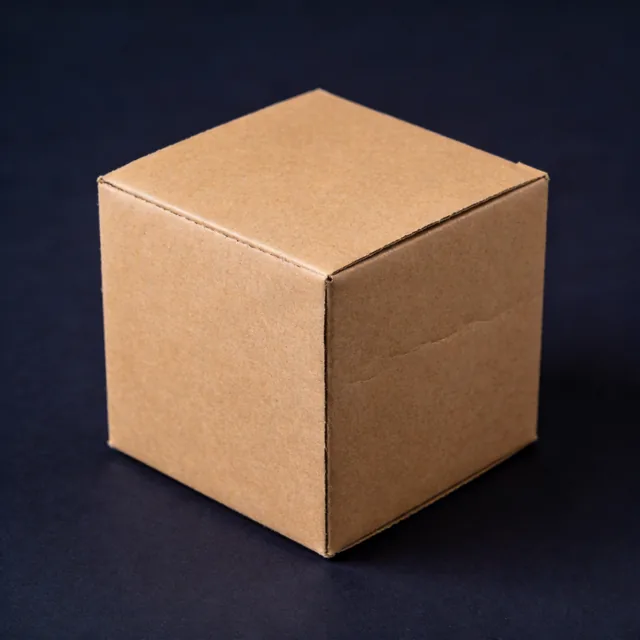
Cardboard bodyA small cardboard box or foam cube for the satellite body (the "bus") 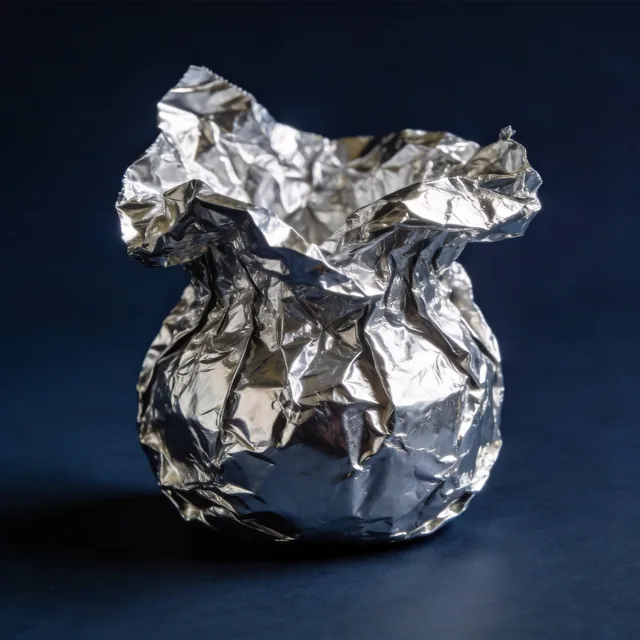
Aluminum foilAluminum foil to represent thermal shielding 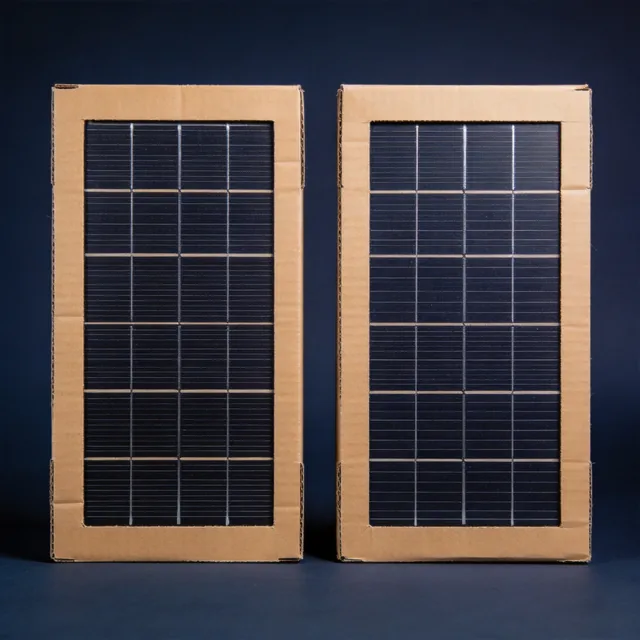
Solar arraysTwo paper or cardboard rectangles for solar arrays 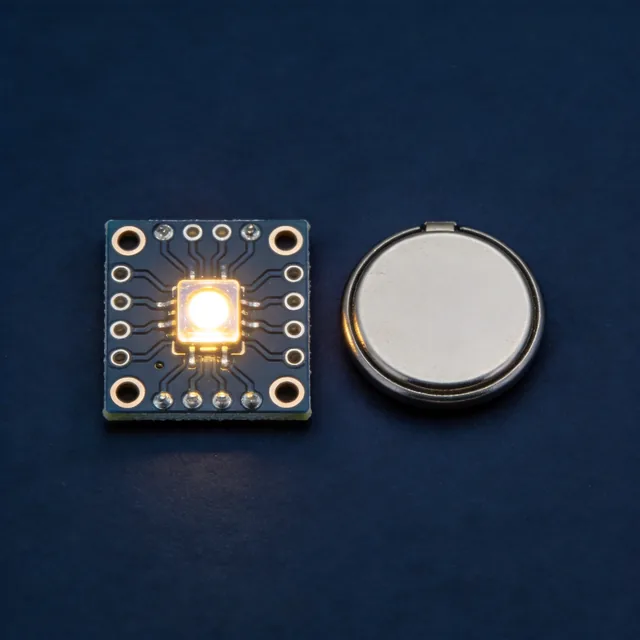
LED & batteryA small LED and coin-cell battery (optional, to light a "transmitter" or "sensor") 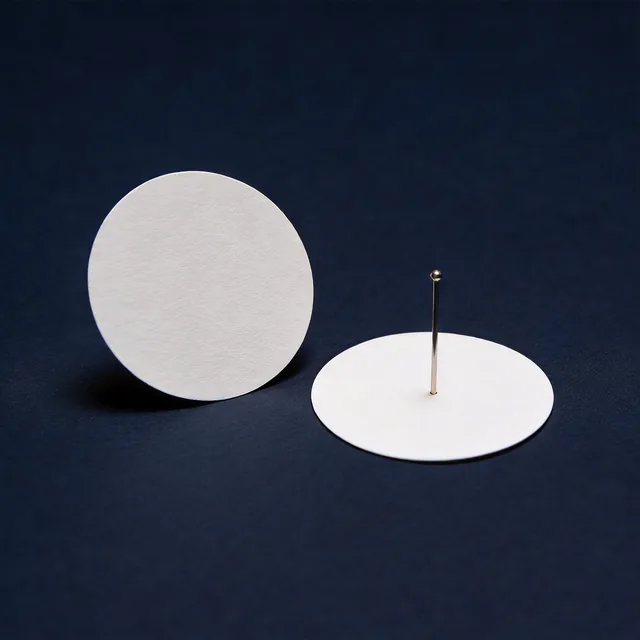
Discs & pinsTwo paper discs and pins, to model reaction wheels 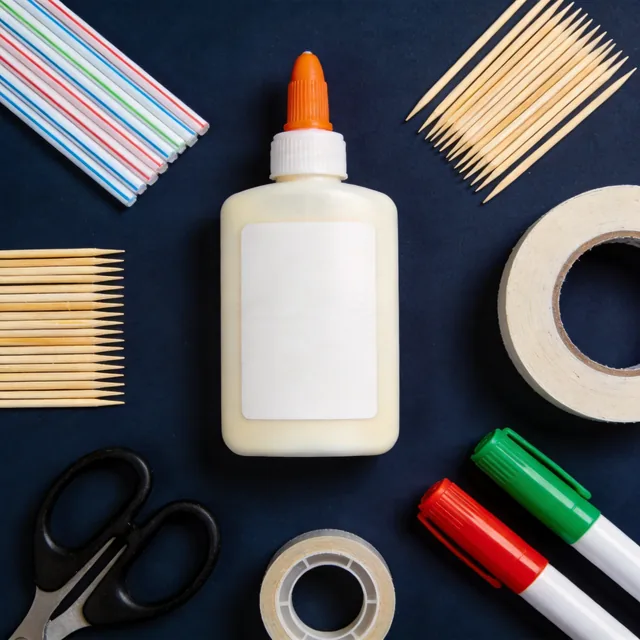
Straws & toolsStraws, toothpicks, glue, tape, and scissors; markers for labeling subsystems 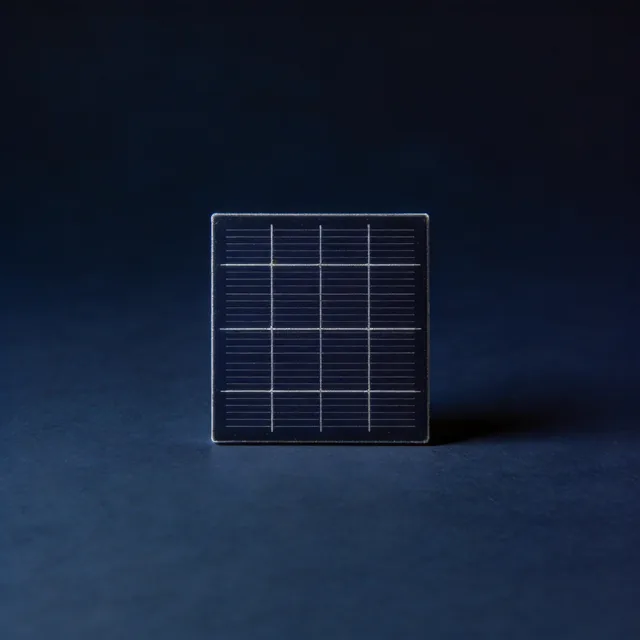
Solar cell & meterOptional: a small solar cell and a multimeter for a real measurement
Steps
- Build the bus: cover the box with foil to model the multi-layer insulation that protects real satellites from extreme temperatures.
- Make the solar arrays: attach two rectangular panels to opposite sides with straws as struts, hinged with tape so they can fold for launch and "deploy" in orbit like real panels.
- Add the payload: mount a small LED as a "camera" or "transmitter," and use a toothpick as a dish antenna pointing "down" toward Earth (engineers call this direction nadir).
- Add attitude control: pin the two paper discs to the sides as reaction wheels; spinning them is how many real satellites turn themselves without fuel.
- Label the subsystems: power (solar arrays and battery), communication (antenna), structure (the bus), thermal control (the foil), attitude control (reaction wheels), and payload (your camera or sensor).
- Run a deployment test: fold and unfold the arrays, and check that nothing blocks the antenna's view "down" to Earth.
- Optional measurement: connect the solar cell to the multimeter under a bright lamp and record the voltage with the lamp on and off.
The Science Behind It
Every satellite, from a tiny CubeSat to the Hubble Space Telescope, is built around the same subsystems your model shows. The power system's solar arrays convert sunlight into electricity and charge batteries for the sunless part of each orbit — in low Earth orbit, a satellite slips into shadow roughly every 90 minutes. Thermal control matters because a satellite can swing from well above the boiling point of water in direct sun to far below freezing in shadow; the foil on your model represents the multi-layer insulation and radiators that keep electronics in a survivable range. Antennas send data home to ground stations on Earth. Reaction wheels, magnetorquers, or small thrusters control attitude — which way the satellite points — using star trackers and Sun sensors as reference.
Orbits do the rest of the work. A satellite in low Earth orbit, like the International Space Station at about 400 kilometers, circles Earth at roughly 7.8 kilometers per second and completes an orbit in about 92 minutes. GPS satellites fly higher, around 20,200 kilometers, and weather and TV satellites sit at 35,786 kilometers, where one orbit takes exactly as long as Earth's rotation — so the satellite appears to hover over one spot. And why doesn't a satellite simply fall? It is falling — constantly — but its forward speed is so high that the ground curves away beneath it as fast as it falls. The smallest standard satellite, a 1U CubeSat, is a 10-centimeter cube weighing about 1.3 kilograms, and thousands of active satellites are in service today.
Extend It
- Research a real mission (GPS, weather forecasting, communications, Earth observation) and explain which payload your satellite would carry, and why.
- Build a trade-off table for orbits: coverage, signal delay, and atmospheric drag at different altitudes.
- Design a constellation: how many satellites would you need, and where, for global internet versus weather monitoring?
- Add a small solar cell to your model and measure its voltage under a bright lamp, comparing light-on versus light-off.
- Write a one-day operations plan for your satellite: what it measures, when it passes over your ground station, and what data it downloads.
Safety Notes
Ask an adult to handle hot glue guns. Use scissors and craft knives with care. Coin-cell batteries are a serious swallowing hazard: keep them away from small children and never hold one in your mouth. Bend LED legs gently, and never puncture or short a battery. Smooth down foil and wire edges before handling your finished model.