What You'll Need
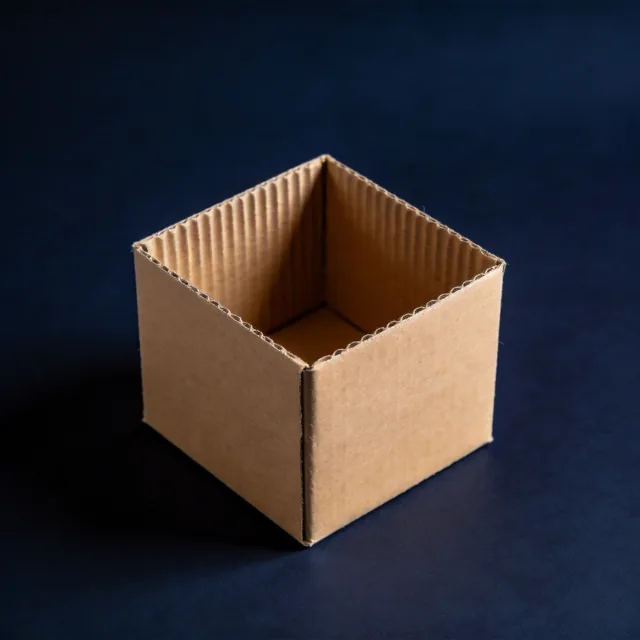
Cardboard bodyA small cardboard box or foam board for the rover body 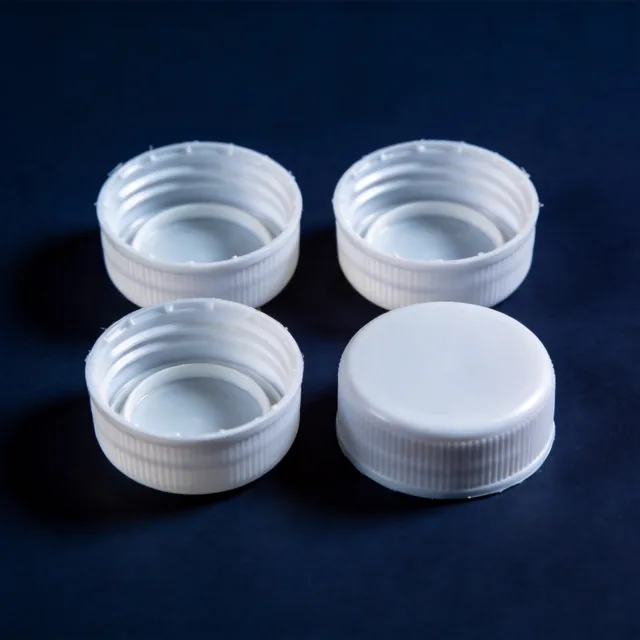
Bottle caps4 bottle caps, plastic lids, or large beads for wheels 
Skewers / straws2 wooden skewers or drinking straws for wheel axles 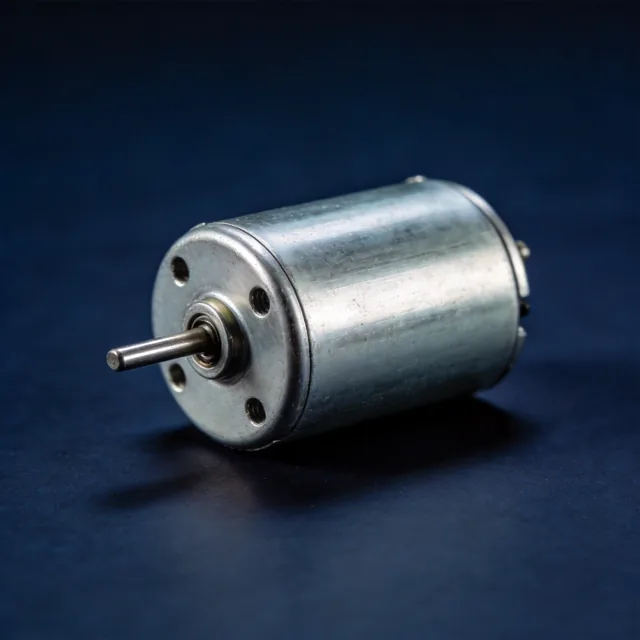
DC motorA small DC motor with battery pack and switch (optional, for a motorized version), or rubber bands for a simple wind-up drive 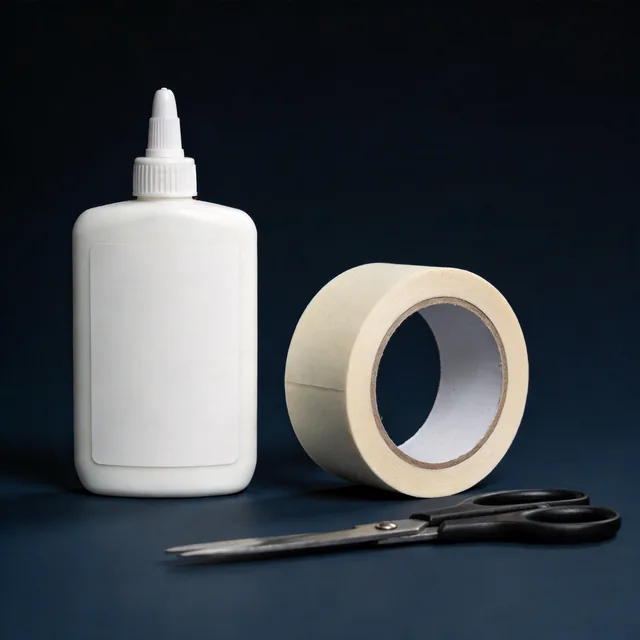
Glue & scissorsGlue, tape, and scissors; a bent paper straw for a "sensor" bumper 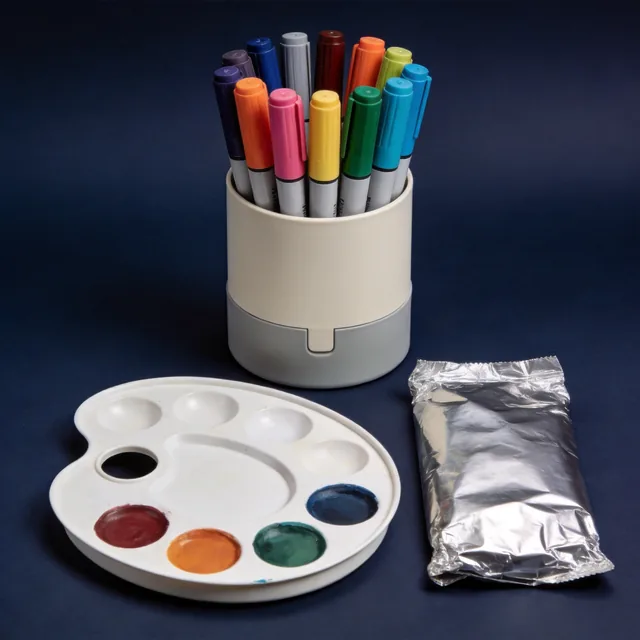
Markers & foilMarkers, paint, or foil for decoration and a small box for an "instrument deck" 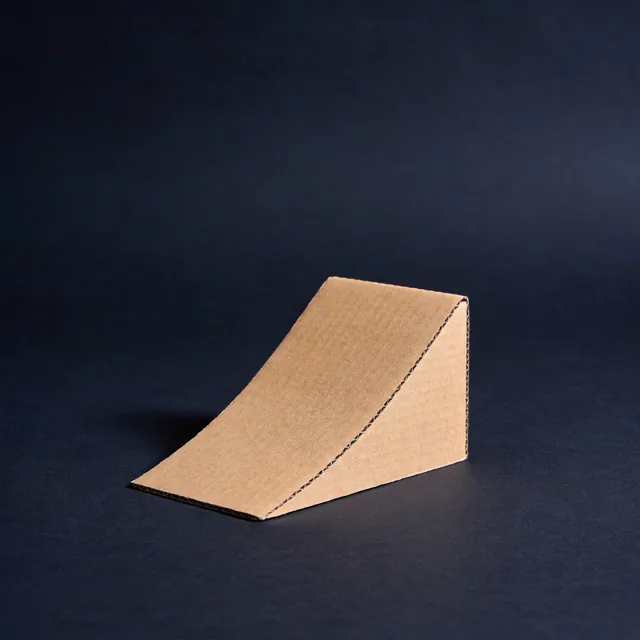
Test rampA flat test area, plus a small ramp or a carpet square for terrain trials
Steps
- Build the chassis: cut the cardboard into a rectangular body about 15 x 10 cm.
- Add the axles: poke two parallel holes through the body and thread the skewers or straws through them so they can spin freely.
- Mount the wheels: push a bottle cap onto each end of each axle and secure with tape or glue.
- Add the drive (optional): mount the DC motor so its shaft touches one axle and wire it to the battery pack through a switch. For a simpler wind-up version, loop a rubber band around the rear axle so winding it stores energy that rolls the rover when released.
- Install a payload: tape a small box or paper tube on top as an "instrument deck," just like the science instruments real rovers carry.
- Test and tune: roll the rover on a flat surface and adjust wheel alignment until it travels in a straight line.
- Run terrain trials: test it on a ramp, on carpet, and on a smooth floor, and keep an engineer's test log of what you change and what happens.
The Science Behind It
A rover is a wheeled robot, and this project introduces the core ideas of robotics: structure, motion, and control. The wheel-and-axle is a simple machine: wheels reduce friction so the rover rolls smoothly, while the axle carries the turning force. A motor converts electrical energy into rotational motion, and a rubber-band drive stores elastic potential energy that becomes motion when released — the same energy-transfer thinking engineers use when sizing the motors on a real rover. Traction matters too: a heavy rover sinks into soft ground, so engineers match the rover's mass to the surface it must cross.
On Mars, rovers like Perseverance carry six wheels on a rocker-bogie suspension, a linkage that keeps all wheels on the ground over rough terrain. Perseverance is about the size of a small car, weighs roughly 1,000 kilograms on Earth, and is powered not by solar panels but by an MMRTG — a radioisotope thermoelectric generator that converts heat from decaying plutonium-238 into electricity, so it can work day and night and through dust storms. Earlier rovers such as Sojourner, Spirit, and Opportunity did use solar panels. Perseverance landed in Jezero Crater in February 2021 and carried the Ingenuity helicopter, the first powered aircraft flown on another planet. Mars gravity is about 38% as strong as Earth's, and radio signals take 3 to 22 minutes to travel one way between Earth and Mars — far too slow to steer a rover in real time, so navigation cameras and an onboard computer let it choose safe routes on its own. Even the fastest Martian rovers top out around 0.1 mph (about 160 meters per hour): slow, careful driving beats speed when you cannot call for a tow. The basic wheel-and-axle idea, though, is exactly what you have just built.
Extend It
- Add a simple bumper "sensor" from a bent paper straw that flexes when the rover hits a wall, then think about how real rovers use cameras and lidar to avoid obstacles.
- Try different wheel sizes and materials and test which rolls farthest on carpet versus a smooth floor.
- Build a two-wheeled "rocker" side and test it over a row of books to feel how a rocker-bogie suspension keeps wheels planted.
- Sketch a mission for your rover and describe what tools (camera, drill, heater) you would add, and why.
- Play the delay game: have a teammate "drive" your rover using only written instructions, waiting ten minutes between each command, to experience why rovers need autonomy.
Safety Notes
Use scissors and craft knives only with adult supervision. If you use a battery pack, use only low-voltage hobby batteries, never short the terminals, never puncture a battery, and switch it off or remove it when you finish. Keep small parts away from young children, and test the rover in a clear area away from stairs and pets.